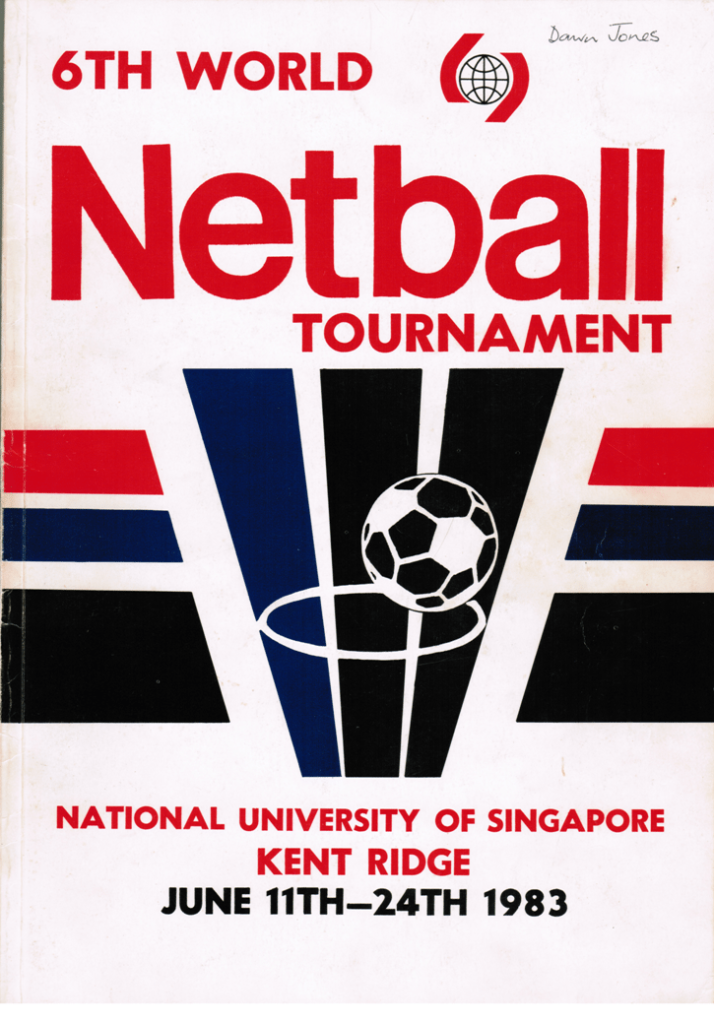
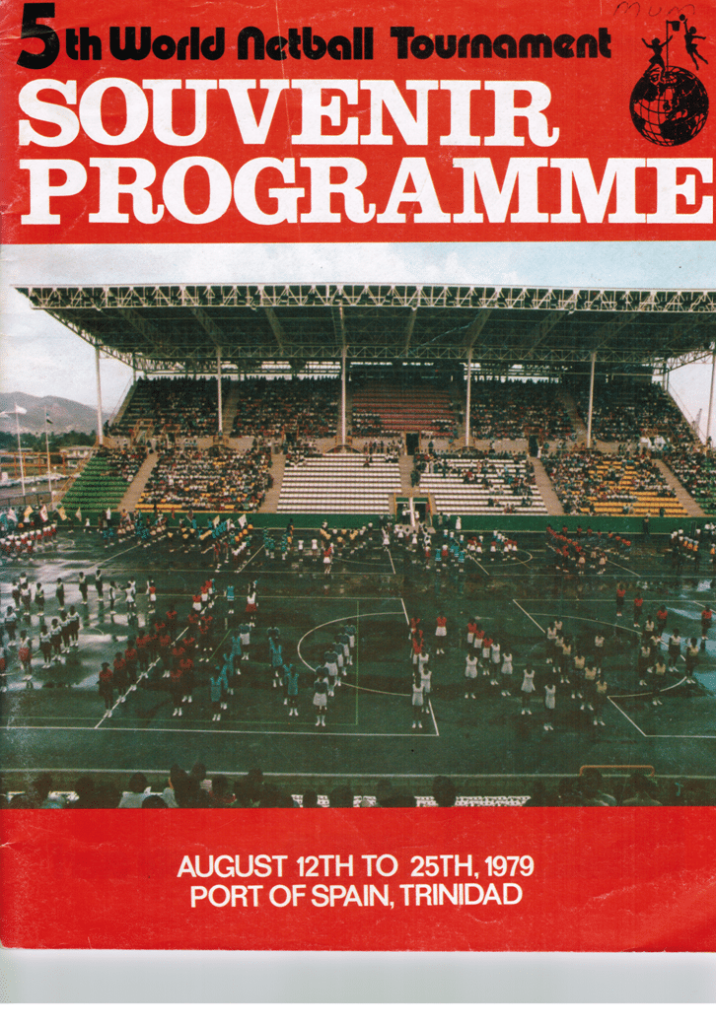
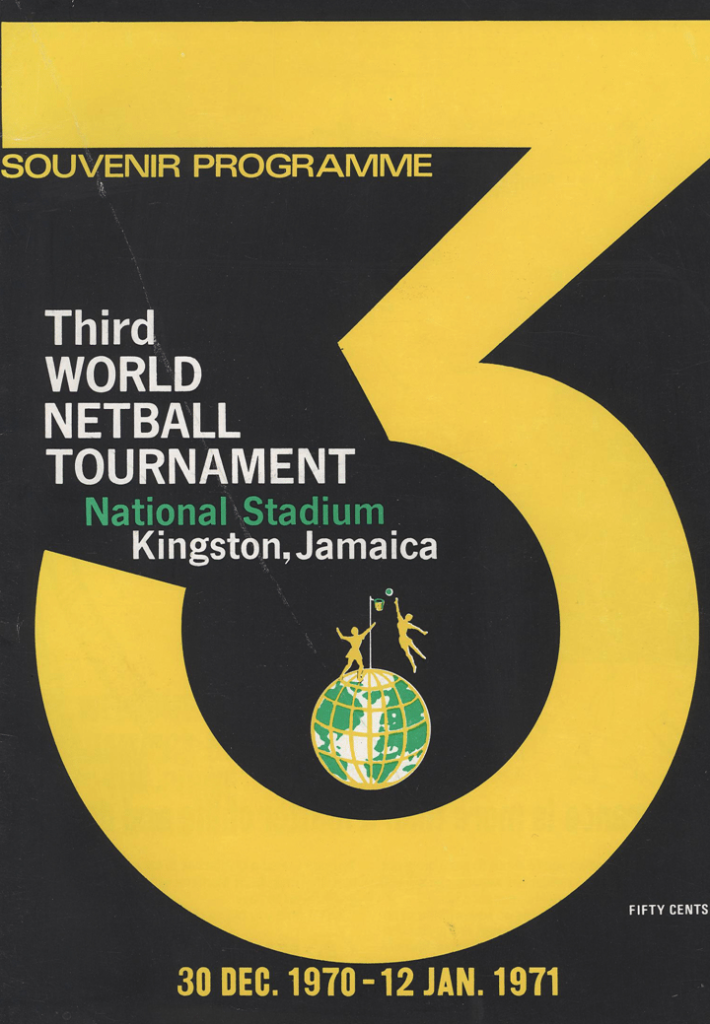
The Netball World Cup (NWC), previously known as the World Netball (WN) Championships is netball’s flagship event owned by WN, and it brings together the top 16 teams in the world.
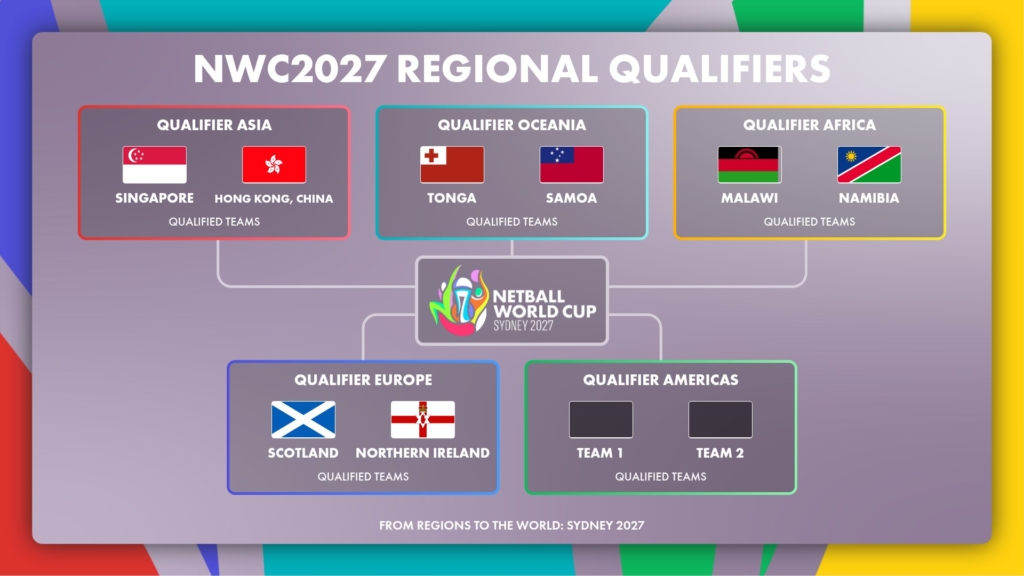
The hosts of the NWC automatically qualify for the competition, as well as the top five teams in the WN World Rankings on the date of qualification. The remaining 10 teams are decided through qualifiers in WN’s five Regions, with the top two teams from each qualifier invited by WN to compete at the NWC.
The NWC, which first started in 1963, showcases netball around the world through a range of broadcast partners introducing netball to a whole new audience. Australia are the current World Champions, having beaten England 61 – 45 at the NWC2023, in what was the Roses first ever NWC Final.
WN Congress is also held alongside the event providing a global forum for netball nations to come together, innovate, share ideas and celebrate women in sport.
To explore the history of the NWC and find out more about the next edition of the event, simply click the titles below:
The next NWC will be hosted in Sydney, Australia from the 25th August to the 5th September 2027.
The hosts, Australia, have qualified to be invited alongside New Zealand (2nd), Jamaica (3rd), England (4th), South Africa (5th) and Uganda (6th), as per the WN World Rankings on the 1st December 2025.
The remaining 10 teams will qualify to be invited through five Regional Qualifiers taking place in 2026.
The NWC2027 will be the first to include a Cup and Plate competition, with all matches also being played in one venue. See ‘The New NWC Format‘ section below for more information.
To keep up to date on all the latest NWC2027 news, make sure you are following @NetballWorldCup on Facebook and Instagram.
WN announced changes to the Netball World Cup 2027 (NWC2027) format, including the introduction of Cup and Plate competitions, as well as increased recovery time for all teams.
But, how exactly will the new format work? Who will play for the Plate, and who will play for the Cup? Why are we keeping it to one venue? Will results still be carried over?
Don’t worry we have you covered! Here is all the information you need to know:
All matches at the NWC2027 will be played in one venue, on one court.
This will allow for enhanced broadcast production, event presentation and fan experience to occur, whilst also giving all players an equal opportunity to play in the biggest and best venue.
Matches will be played in sessions of between two and four matches per session, with the total number of matches increasing from 60 to 64.
The initial seeding process will remain the same, with seeding determined by all the qualified teams’ WN World Ranking position as of 1st December 2026.
However, when placing teams into their initial pools, equitable seeding distribution of the top eight seeds will be applied, as opposed to advantage seeding.
This means that the top eight seeded teams will be allocated as follows based on their WN World Rankings as of the 1st December 2026:
Pool A – 1st and 5th, Pool B – 2nd and 6th, Pool C – 3rd and 7th, and Pool D – 4th and 8th.
The teams seeded 9-12 and 13-16 will be drawn randomly to complete the four teams in each pool.
This change to equitable seeding will promote closely contested matches in initial pool play, while providing more opportunities for lower ranked teams to improve from their initial seeding and lift their overall final placing.
There isn’t much to update you on here, as not much is changing in the initial pool stages.
There will still be four pools, made up of four teams. Each team will play three matches during this first phase, against the other teams in their pool.
One change is that as teams move forward, there are no longer any results carried into the next phase of the competition.
The teams that finish first and second from each pool in phase one will qualify to compete for the Cup, whilst third and fourth in each pool will qualify to compete for the Plate.
In each competition, during phase two, two new pools of four teams – one from each initial pool – will play in another round robin format, with each team playing three matches.
Following on from this, for both the Cup and Plate, in the third and final phase of the competition, each team will have their a respective cross-over semi-final, followed by a final placing or classification match. During this phase all matches will play to a result, with no drawn games permitted.
All teams will finish the competition with a final position from 1 to 16.
The team winning the Cup will be 1, whilst the team in placing 9, will win the Plate.
This format is simpler to understand and explain, and the introduction of a Plate competition will enhance competitiveness, engagement and storytelling opportunities for the full duration of the tournament across all key stakeholder groups – players, fans, content partners, and sponsors – just to name a few!
To read the initial NWC2027 format announcement, click here.
As well as format changes to the NWC, WN has also announced a bold new global events strategy, with the first phase of changes including its pinnacle event, the NWC being held every two years, as well as the introduction of a men’s NWC.
This is all part of WN’s wider mission under its strategy to develop and deliver a pipeline of international events that showcase the very best of its sport to more people more often, taking netball into a new chapter.
After the NWC2027 in Sydney, all future NWCs will take place in November, with the new two-year NWC cycle meaning the following NWC will be in November 2029.
WN also plans to launch a new biennial event from November 2028, that will take place in non-NWC years.
To find out more, and read the full announcement click here.
To keep up to date on all the latest news subscribe to our WN Newsletter here.
From 1963 until 1987 the WN Championships were played in a ’round robin’ format. The name of the tournament became the ‘Netball World Cup’ in 2015.
| Year | Location | Winner | Runner Up | Third Place | No. of Teams |
|---|---|---|---|---|---|
| 2023 | Cape Town, South Africa | Australia | England | Jamaica | 16 |
| 2019 | Liverpool, England | New Zealand | Australia | England | 16 |
| 2015 | Sydney, Australia | Australia | New Zealand | England | 16 |
| 2011 | Singapore | Australia | New Zealand | England | 16 |
| 2007 | Auckland, New Zealand | Australia | New Zealand | Jamaica | 16 |
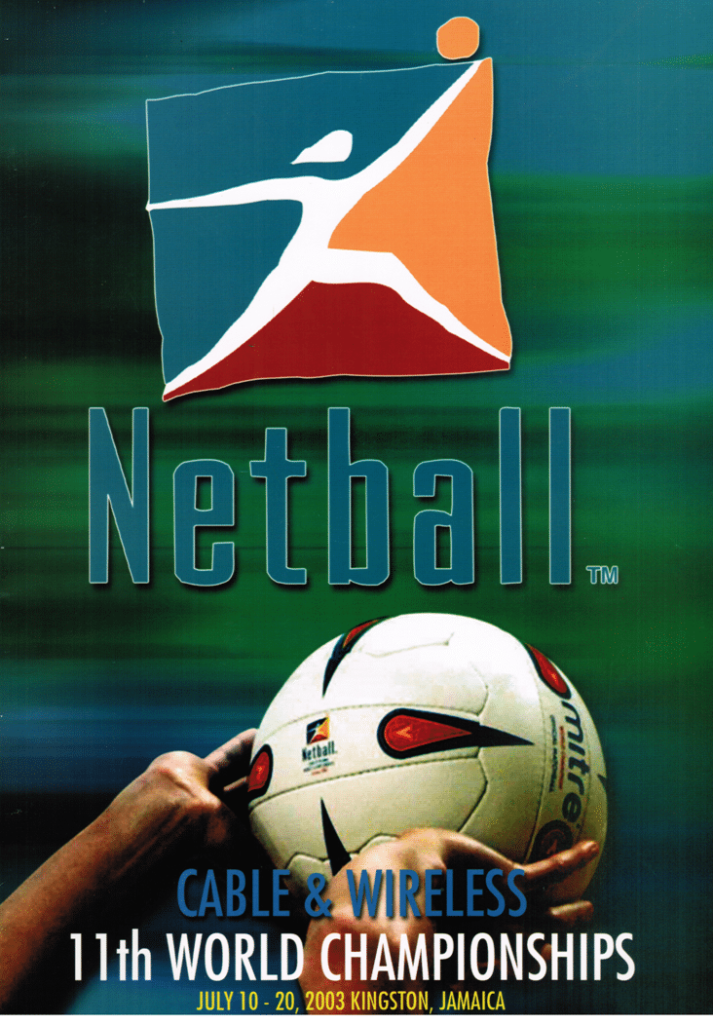
| 2003 | Kingston, Jamaica | New Zealand | Australia | Jamaica | 24 |
| 1999 | Christchurch, New Zealand | Australia | New Zealand | England | 26 |
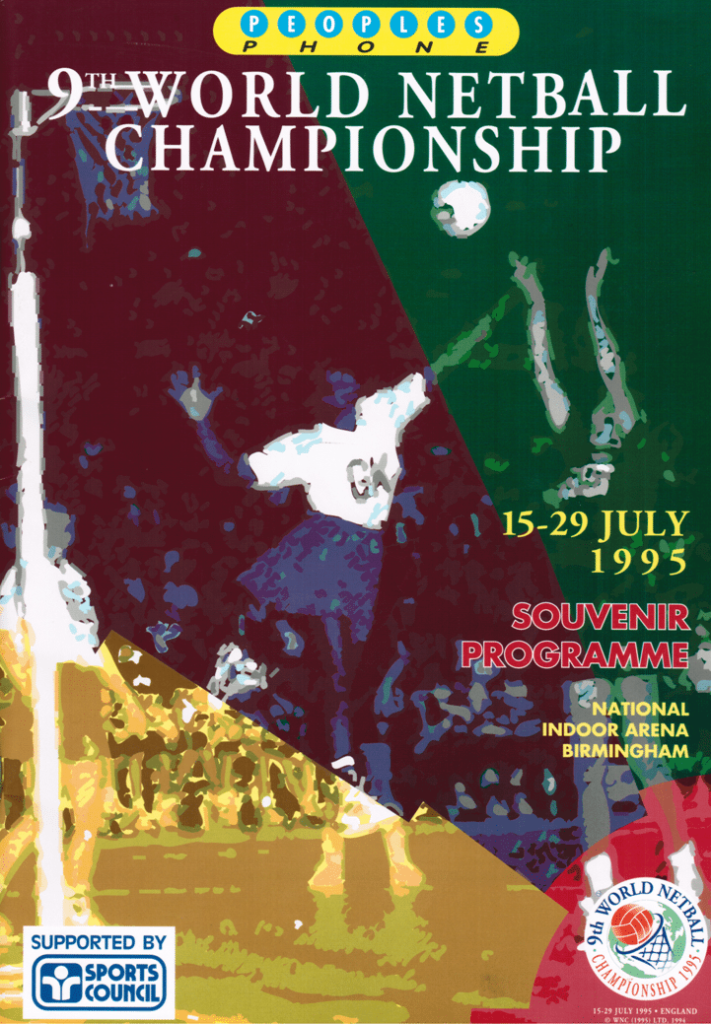
| 1995 | Birmingham, England | Australia | South Africa | New Zealand | 27 |
| 1991 | Sydney, Australia | Australia | New Zealand | Jamaica | 20 |
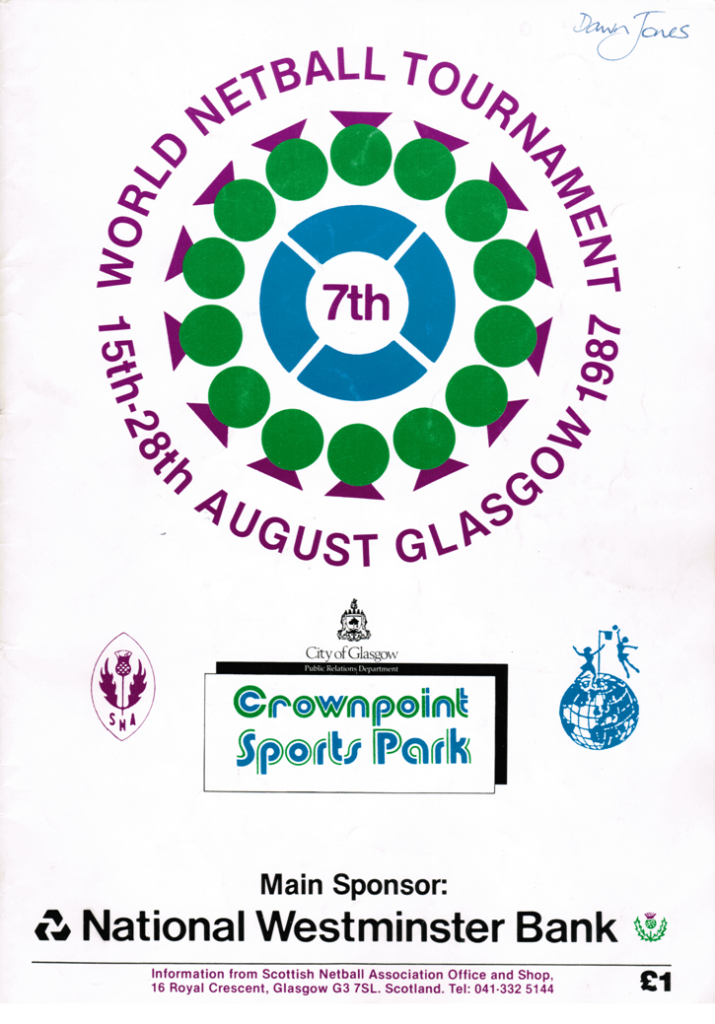
| 1987 | Glasgow, Scotland | New Zealand | Australia = Trinidad & Tobago | 17 | |
| 1983 | Singapore | Australia | New Zealand | Trinidad & Tobago | 14 |
| 1979 | Port of Spain, Trinidad & Tobago | New Zealand = Australia = Trinidad & Tobago | 19 | ||
| 1975 | Auckland, New Zealand | Australia | England | New Zealand | 11 |
| 1971 | Kingston, Jamaica | Australia | New Zealand | England | 9 |
| 1967 | Perth, Australia | New Zealand | Australia | South Africa | 8 |
| 1963 | Eastbourne, England | Australia | New Zealand | England | 11 |
Click on the previous editions of the NWC below to learn more about the history of that event.